
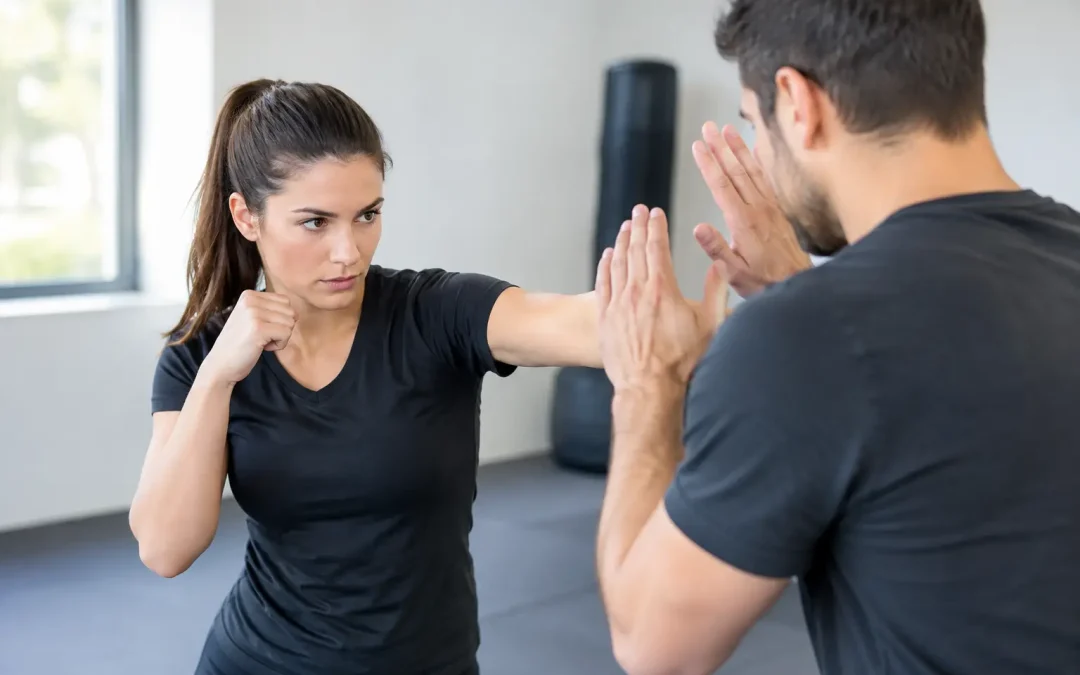
A self-defense class should never make you feel like the next lesson could put you in the hospital. Yet if you are asking, “are self defense classes safe,” you are asking the right question. Real training deals with violence, stress, impact, and uncomfortable scenarios. That does not mean it should be reckless. It means safety must be designed into every drill.
The right class builds your ability to act under pressure without throwing beginners into uncontrolled sparring, dangerous holds, or ego-driven competition. You should leave challenged, alert, and more capable – not injured, intimidated, or ashamed.
Are Self Defense Classes Safe? It Depends on How They Are Run
Self-defense training has a different purpose from a martial arts demonstration, a fitness boot camp, or a combat sport. The goal is not to win points or perform a perfect sequence. It is to recognize danger, create space, escape, and get home safely.
Because the subject is serious, the training needs structure. A qualified instructor does not start a new student with full-force strikes, chaotic grappling, or surprise attacks. They teach simple movements, defensive positioning, verbal boundaries, awareness, and escape options first. Intensity increases only when the student has the control and confidence to handle it.
A safe program also distinguishes between discomfort and danger. Feeling your heart rate rise during a scenario drill can be useful. Being pressured to continue through sharp pain, dizziness, fear, or a clear injury is not. Training should stretch your limits without ignoring them.
Realistic Does Not Mean Reckless
Some schools promise “real street fighting” and confuse aggression with realism. That is a red flag. Actual violence is unpredictable, fast, and ugly. Preparing for it requires judgment, control, and a clear progression – not instructors trying to prove how tough they are.
Pressure training has value when it is controlled. A student may practice getting off a wall, protecting their head, moving away from a grab, or responding after a verbal confrontation. Protective equipment, agreed intensity, clear start and stop signals, and close coaching turn these drills into useful learning rather than a free-for-all.
The safest training is often the most honest. It acknowledges that no technique works every time, size and strength matter, multiple attackers change the situation, and the best outcome is usually escape. It teaches you to use your voice, your environment, your movement, and direct physical action when there is no safer choice.
That is very different from memorizing long routines or relying on a single disarm. No fancy moves. No false promises. Just practical decisions under pressure.
What a Safe Self-Defense Class Looks Like
Look closely at the first session. You can learn a great deal before you ever throw a strike.
A responsible instructor explains the purpose of each drill, demonstrates it at a manageable speed, and checks that students understand the boundaries. They pair people thoughtfully, particularly when there are major differences in size, experience, or confidence. They correct unsafe behavior immediately instead of treating it as part of the culture.
Good classes also use progressive resistance. You may first learn a movement with a cooperative partner. Then you add light resistance. Later, you work with more speed, more uncertainty, and controlled pressure. This gives your body time to build coordination and your mind time to make decisions without freezing.
Equipment matters, but it is not a substitute for good supervision. Pads, gloves, mouthguards, and appropriate flooring can reduce injury risk. So can trimming nails, removing jewelry, warming up properly, and following hygiene standards. More importantly, the instructor must know when to slow a drill down, change an exercise, or stop it altogether.
A safe environment is also one where “stop” means stop. You should be able to decline a drill, request a different partner, or tell an instructor about an old injury without being mocked. Consent is not a soft extra. It is part of disciplined training.
The Risks You Should Expect
Even well-run classes carry some physical risk. Bruises, muscle soreness, minor strains, and accidental contact can happen, especially in hands-on training. The question is whether those risks are minimized and proportionate to what you are learning.
There can also be an emotional element. Scenario-based drills may bring up fear, previous experiences, or anxiety around being grabbed, cornered, or shouted at. A capable instructor does not force a student to disclose personal history. They offer options, explain what is coming, and allow people to step back or modify a drill.
If you have a medical condition, recent injury, pregnancy, or concerns about anxiety or trauma, speak with a healthcare professional when appropriate and tell the instructor before class. A good program can often adapt training. The answer is rarely to do nothing. It is to train intelligently.
Warning Signs to Walk Away From
Trust what you see, not just the marketing. Leave if a school shows any of these patterns:
- Students are pressured to spar hard before they understand basic defense and control.
- Instructors dismiss injuries, pain, or fear as weakness.
- There are no clear rules on contact level, protective gear, or stopping a drill.
- Experienced students use beginners as targets to feed their own ego.
- Techniques are taught as guaranteed answers to weapons, multiple attackers, or any situation.
You should also be cautious of classes built around humiliation. Self-defense requires confidence, but confidence does not grow from being bullied by the people meant to teach you. It grows through repeated, achievable practice in a supportive group.
How to Choose a Class That Builds Real Readiness
Ask direct questions before you join. How are beginners introduced to contact? What safety gear is used? How do instructors handle injuries? Can you observe a class? Is there a clear way to opt out of a drill? The answers should be straightforward, not defensive.
Watch the room if you can. Are students attentive when the instructor speaks? Do partners check in with each other? Does the instructor actively coach, or do they spend most of the class watching people collide? A disciplined room is usually a safer room.
Also consider whether the training matches your real needs. A commuter may need awareness, boundary-setting, escape movement, and defenses against common grabs. A corporate team may need practical personal-safety habits that fit workplace and travel situations. Someone seeking deeper capability may want controlled sparring and private coaching after building a foundation.
At Urban Street Defense, the standard is practical progression: simple movements, direct action, realistic scenarios, and pressure introduced with control. The point is not to turn students into performers. It is to help them respond when the situation is sudden, close, and confusing.
Your First Class Should Feel Challenging, Not Chaotic
Expect to move, think, communicate, and make mistakes. You may discover that simple actions are harder under pressure than they look. That is normal. A good instructor will break the skill down, let you repeat it, and show you how to make it work when the other person is not standing still.
You should not need prior martial arts experience, exceptional fitness, or a tough-guy attitude. Beginners need clear instruction and room to learn. As you improve, training can become more demanding, but the rules and respect should remain constant.
Choose a class that treats your safety as seriously as the dangers it prepares you for. The right training does not make you fearless. It gives you better options when fear shows up – and the discipline to use them.